What is a heat dome? The high-pressure system behind Europe's scorching spell
As temperatures climb well above seasonal norms across the continent, meteorologists point to a heat dome trapping hot air and straining health services, transport and energy networks.
Marcus Reeve
Writer ·

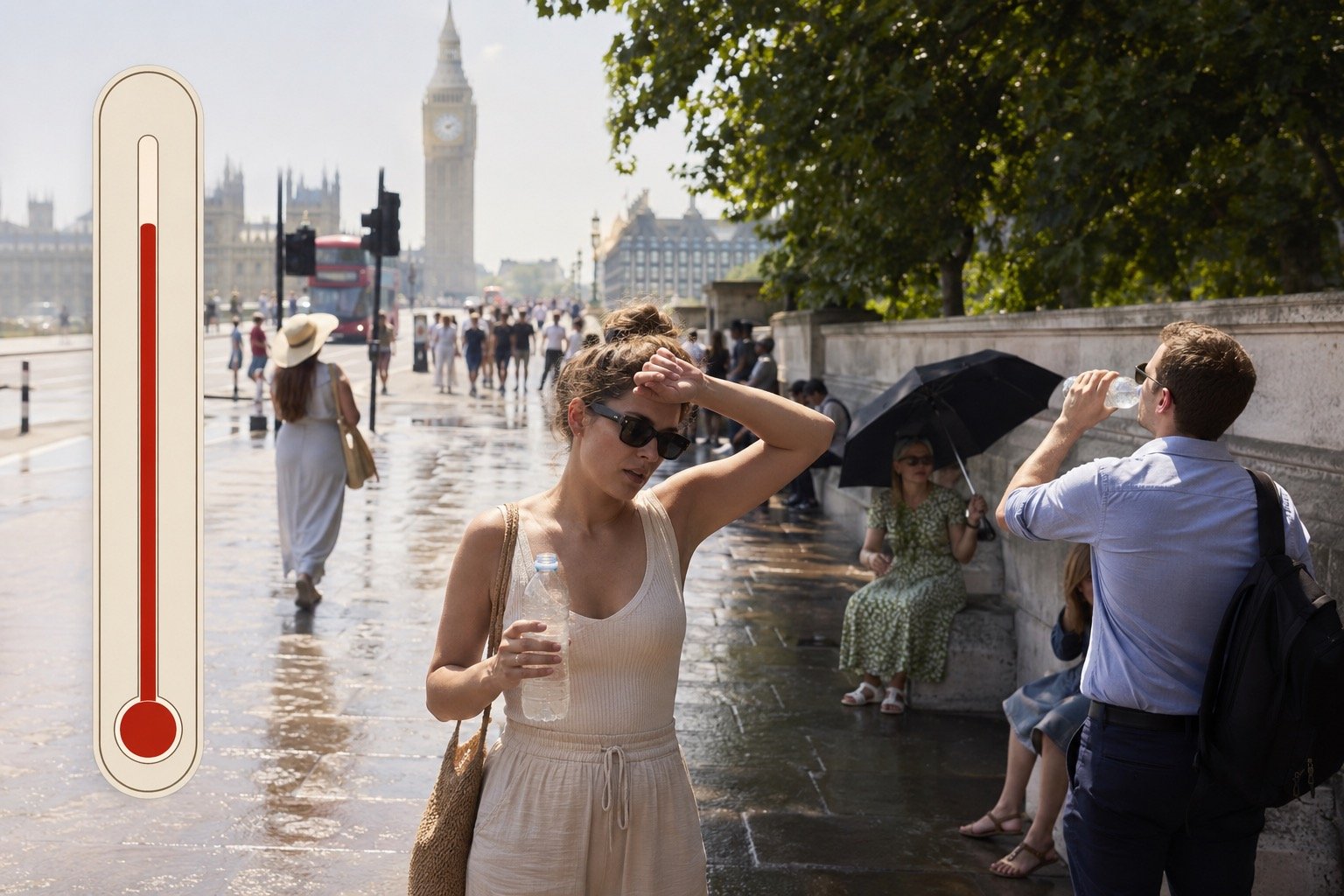
Much of Europe is sweltering under a punishing spell of heat, and meteorologists have a name for the culprit: a heat dome. The phenomenon, a sprawling area of high pressure that traps hot air beneath it, has pushed temperatures well above seasonal averages and prompted health warnings across the continent.
As the mercury climbs, authorities are urging people to take care, warning of dangerously warm nights, mounting pressure on health services and added strain on transport and energy systems.
How a heat dome works
A heat dome forms when a strong high-pressure system parks over a region and acts like a lid, forcing air downward. As that air sinks it compresses and warms, while the high pressure suppresses cloud formation, allowing relentless sunshine to bake the ground. The longer the system lingers, the more heat accumulates.
Because the dome is slow to shift, the effect is cumulative, with each successive day adding to the build-up rather than offering relief.
- High pressure traps warm air and pushes it back toward the surface.
- Sinking air compresses and heats, raising temperatures further.
- Clear skies allow uninterrupted solar heating of the ground.
- Warm overnight temperatures prevent the usual cooling-off period.
Why the warnings matter
It is often the lack of overnight relief that proves most dangerous, denying the body the chance to recover and raising the risk for older people, young children and those with existing health conditions. Heatwaves can also disrupt rail networks, buckle roads and spike electricity demand as cooling systems work overtime.
“The danger of a heat dome is its persistence. It is not one hot afternoon but day after day of accumulating heat with little respite.”
Background
Heat domes are a natural feature of the atmosphere, but scientists say climate change is making them more frequent, more intense and longer-lasting. As background temperatures rise, the extremes layered on top become more severe, turning what might once have been an uncomfortable spell into a genuine public-health emergency.
What happens next: forecasters will be watching for the high-pressure system to break down and allow cooler air to move in, while public-health authorities are likely to keep heat alerts in place and reinforce guidance on staying safe until temperatures ease.
Referenced coverage: Our reporting and analysis draws on coverage first reported by AP News. The NE Times publishes original reporting and independent analysis written by our editorial team. We credit and link the outlets whose primary reporting informed this article.
The NE Times is an independent news and analysis publisher. Our articles combine factual reporting with clearly-written, impartial analysis. Content is for general information and does not constitute professional advice. Disclaimer.
You may also like to read

Europe heatwave smashes records as health and infrastructure buckle
Britain logs its hottest June day and France its hottest day on record, with temperatures near or above 40C triggering red alerts across western Europe.

Europe's record heatwave becomes a public-safety emergency as drownings mount and red alerts spread
Extreme temperatures across the continent have moved beyond a weather story into a wider safety crisis, with dozens of heat-related deaths, school closures and warnings that Britain could see record June heat.
UK records hottest June day as heatwave intensifies
Britain has logged its hottest June day on record as a heatwave drives temperatures sharply higher and warnings are extended.
Amber heat warning grips England as temperatures forecast to hit 38C in record-breaking June heatwave
The Met Office has extended an amber extreme heat warning across southern England and south-east Wales, with the existing June record almost certain to fall as a humid heat dome settles over the country.