Netflix renews Devil May Cry for third and final season
Showrunner Adi Shankar confirms the anime adaptation will close out its planned trilogy, capping a streaming success that repeatedly cracked the platform's global top 10.
Sophie Bennett
Writer ·
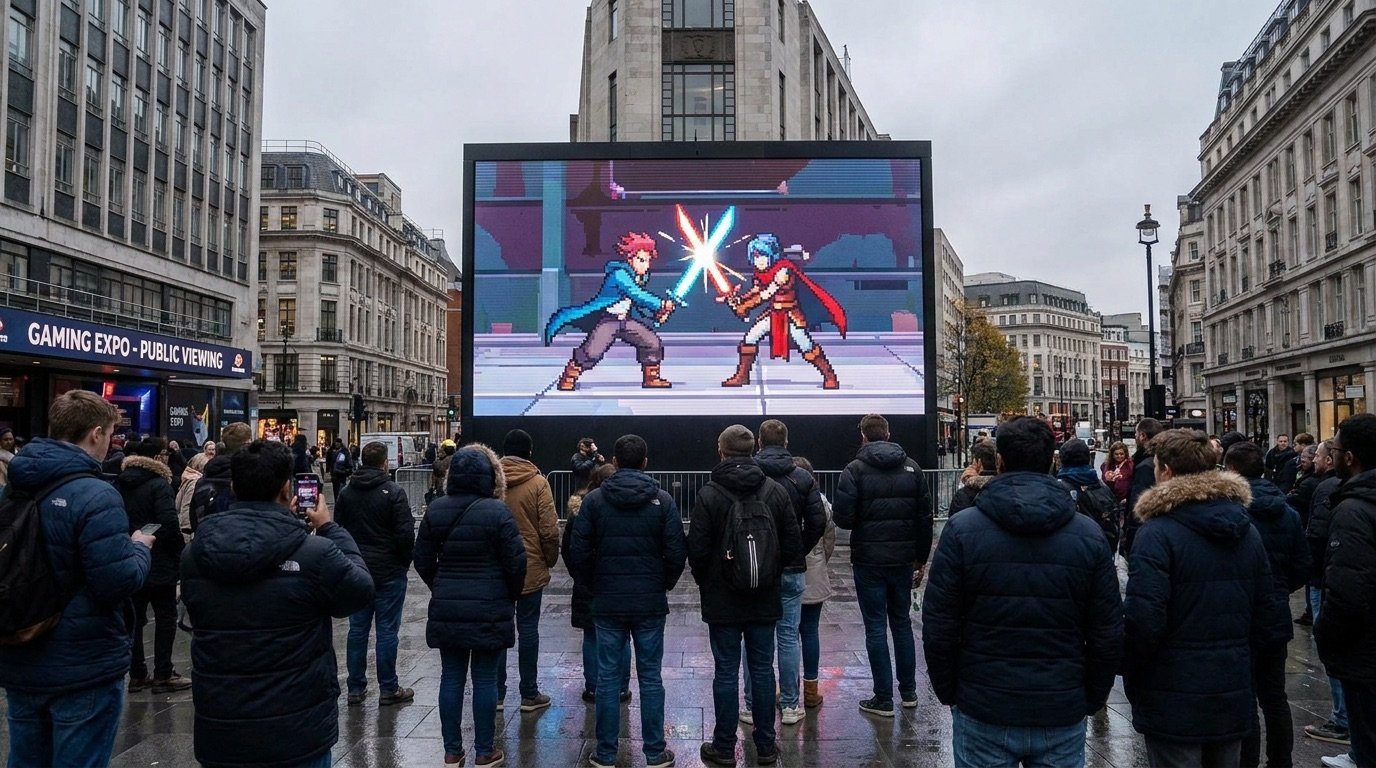
Netflix has renewed its animated series Devil May Cry for a third and final season, the streamer confirmed, following the release of the show's second run in May. The decision closes out a trilogy that showrunner Adi Shankar has long described as a single overarching story, allowing the series to conclude on its own terms rather than be cut short or stretched indefinitely.
Adapted from Capcom's long-running video game franchise, the series has proved a durable performer, registering multiple appearances in Netflix's global top 10 despite a mixed critical reception. That gap between critical and popular response is a familiar pattern for game adaptations, where a passionate fan base and the spectacle of stylised action can drive engagement even when reviews are lukewarm.
The renewal also reflects the increasingly central role video-game adaptations play in Netflix's content strategy. Having invested heavily in turning gaming properties into series and films, the streamer has found in the format a reliable source of the engagement metrics it values most, particularly among the younger, globally distributed audiences advertisers and platforms alike are chasing.
Completing the saga
Shankar framed the final season as the culmination of what he calls the Force Edge Saga, leaning on a Dante's Divine Comedy structure across the three runs. Netflix did not attach a release date, indicating only that the conclusion is coming. The deliberate three-act design gives the series a coherence not always found in ongoing adaptations, with each season corresponding to a movement in the larger narrative.
“This was always Dante's Divine Comedy with guns and a red coat. Season 1 was Inferno, season 2 was Purgatorio. See you all in Paradise.”
— Adi Shankar, showrunner
Mapping the trilogy onto Dante's structure gives the show a literary scaffolding that lends weight to its stylised action, and signals to fans that the third season is intended as a true conclusion rather than an open-ended continuation. Bringing a planned arc to a designed ending is increasingly valued by audiences wary of series that drift or are cancelled on a cliffhanger.
Why game adaptations work for Netflix
Devil May Cry sits within a category Netflix has identified as a dependable driver of viewing. Adaptations of established gaming franchises arrive with a built-in audience, a wealth of existing lore and a visual language well suited to animation, making them an efficient way to generate the engagement the platform prizes.
The factors behind the genre's appeal include:
- A pre-existing, highly engaged fan base that follows adaptations to the platform.
- Rich source lore offering ready-made characters, worlds and story arcs.
- Stylised action that lends itself naturally to animation.
- Strong appeal among younger, globally distributed viewers.
- A growing pipeline of gaming properties available for adaptation.
The strategy has not been without missteps elsewhere, but the consistent top-10 placement of Devil May Cry underlines why Netflix continues to back the category even when individual titles divide critics.
Background: from console to screen
Capcom's Devil May Cry, first released in 2001, established a template for fast, stylish character-action gameplay built around its sardonic demon-hunter protagonist Dante. The franchise's blend of slick combat and gothic flourish gave Shankar's adaptation a distinctive identity, and tapped into a wider boom in screen versions of beloved games, a trend that has turned gaming intellectual property into one of the most fertile sources of new programming.
What happens next
With the renewal confirmed but no release date set, fans now await the concluding chapter that Shankar has framed as the saga's Paradise. For Netflix, the show's resilient performance reinforces the case for continued investment in game-based animation, a category it has identified as a reliable driver of engagement among younger, globally distributed audiences, and one likely to feature prominently in its slate for years to come.
Referenced coverage: Our reporting and analysis draws on coverage first reported by The Hollywood Reporter. The NE Times publishes original reporting and independent analysis written by our editorial team. We credit and link the outlets whose primary reporting informed this article.
The NE Times is an independent news and analysis publisher. Our articles combine factual reporting with clearly-written, impartial analysis. Content is for general information and does not constitute professional advice. Disclaimer.
You may also like to read
Netflix orders second series of Steven Knight's House of Guinness
The Peaky Blinders creator's Dublin-set period saga has been recommissioned after a strong debut run, with the writer signalling ambitions to take the dynasty all the way to the 1960s.

Netflix calls time on two cult favourites, ordering final seasons of 'Good Girl's Guide' and 'Devil May Cry'
Within days of each other, the streamer renewed its hit teen mystery and its acclaimed video-game anime for third and final seasons, completing two stories built as trilogies from the start.

Why streamers are turning hit TV shows into cinema events
The old pipeline sent films to streaming. Now streamers are sending proven series and fan favourites back toward cinemas to build bigger franchise moments.
Enola Holmes 3, Madonna and Elle: the streaming week that proves range beats scale
A Netflix detective sequel, a Legally Blonde prequel, Madonna's Confessions II and hit thriller Obsession show how streaming now sells a menu, not a moment.