Australia and Canada Sign $1.75 Billion Arctic Radar Deal
The agreement brings Australian-designed over-the-horizon radar technology to Canada, marking Australia's largest defence export deal as both Five Eyes partners deepen co-operation.
Marcus Reeve
Writer ·
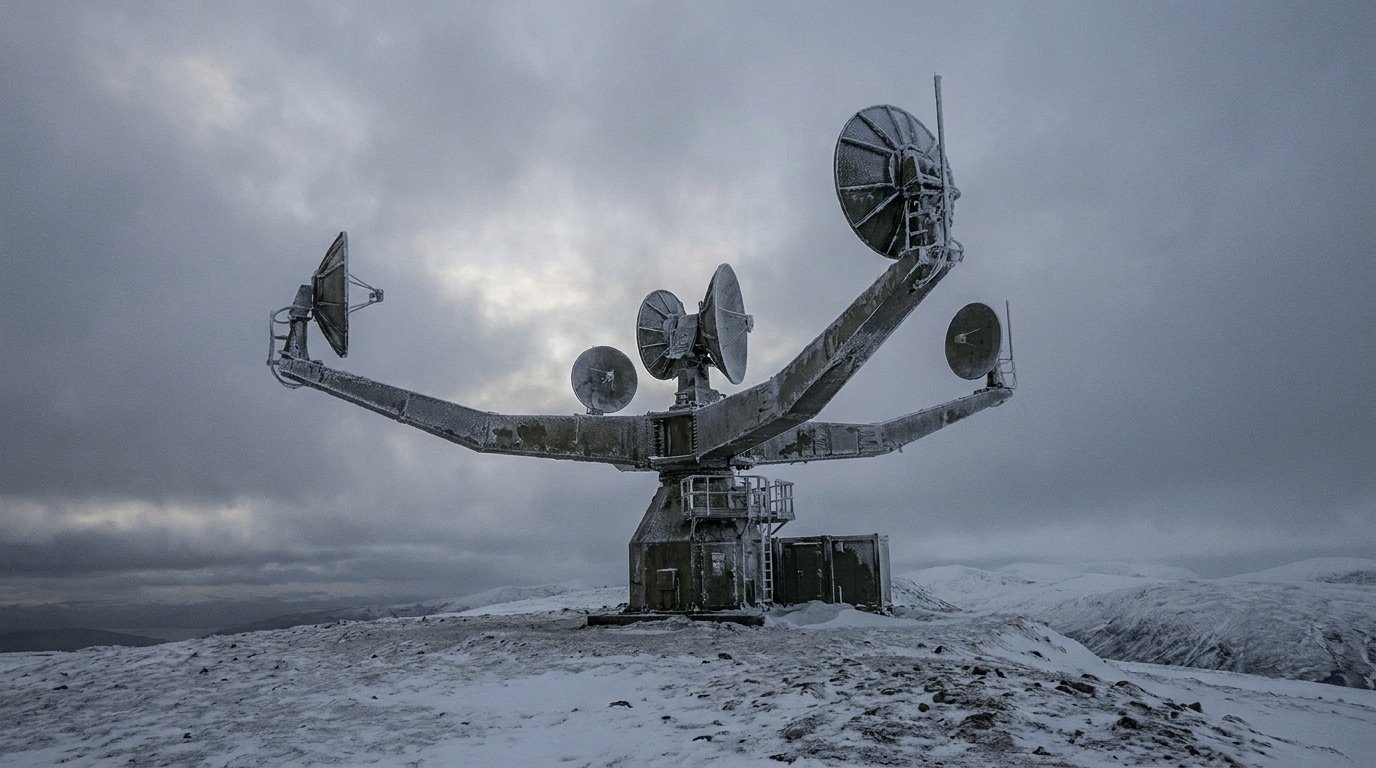
Australia and Canada have signed a $1.75 billion agreement to build a long-range radar system in Canada, marking Australia's largest-ever defence export deal.
The agreement was signed in Canberra by Australian Defence Minister Richard Marles and Canadian Secretary of State for Defence Procurement Stephen Fuhr. The project will use Australian-designed over-the-horizon radar technology to improve early-warning coverage stretching from the US-Canada border into the Arctic.
How the technology works
Over-the-horizon radar uses the ionosphere to detect threats far beyond the line of sight of conventional systems, effectively bouncing signals to see around the curve of the Earth. Australia has refined the capability over four decades, and BAE Systems Australia is expected to support the build.
Notably, Canadian Prime Minister Mark Carney selected the Australian system over US alternatives, according to AP reporting. His visit to Australia in March, the first by a Canadian leader in 12 years, helped lay the groundwork for broader co-operation on defence, artificial intelligence and critical minerals.
Why the Arctic matters now
The deal deepens strategic ties between two Five Eyes intelligence partners at a time when Arctic security is drawing growing attention. Melting sea ice, new shipping routes and increased military activity by Russia and China have made northern surveillance a higher priority for Canada and its allies.
For Australia, the agreement is a major export milestone and proof that its defence technology can compete on the world stage. For Canada, it is a step towards strengthening continental early-warning systems without relying solely on US-made equipment.
The radar project is likely to take years to deliver, but the political message is immediate: middle powers within the same security network are increasingly looking to build more of their own shared defence infrastructure.
Referenced coverage: Our reporting and analysis draws on coverage first reported by Associated Press. The NE Times publishes original reporting and independent analysis written by our editorial team. We credit and link the outlets whose primary reporting informed this article.
The NE Times is an independent news and analysis publisher. Our articles combine factual reporting with clearly-written, impartial analysis. Content is for general information and does not constitute professional advice. Disclaimer.
You may also like to read

When Confidentiality Feels Like a Gag: Australia's Parliamentary Watchdog Under Scrutiny
A staffer's account of jail-threat confidentiality warnings puts Australia's parliamentary complaints body — and workplace reform everywhere — to the test.
NATO diplomacy tested by Iran war fallout
Summit preparations and senior officials' remarks place defence spending, Middle East instability and transatlantic cohesion under the same spotlight.

Montreal officer killing: investigators link suspect to incel manifesto
A new detail in the inquiry into a deadly hotel shooting has tied the gunman to incel ideology, sharpening questions about radicalisation and the warning signs that preceded the attack.

Taiwan launches combat-readiness drills amid sustained regional pressure
The island has begun a new round of exercises designed to test military readiness, civil coordination and rapid response, as tension in the Taiwan Strait keeps deterrence at the centre of regional security debate.