Art Basel 2026 opens amid cautious optimism as the market steadies
The flagship Swiss fair gathers 290 galleries from 43 countries and a new Basel Exclusive showcase, arriving as the latest Art Basel and UBS report points to a modest recovery in global sales.
Sophie Bennett
Writer ·
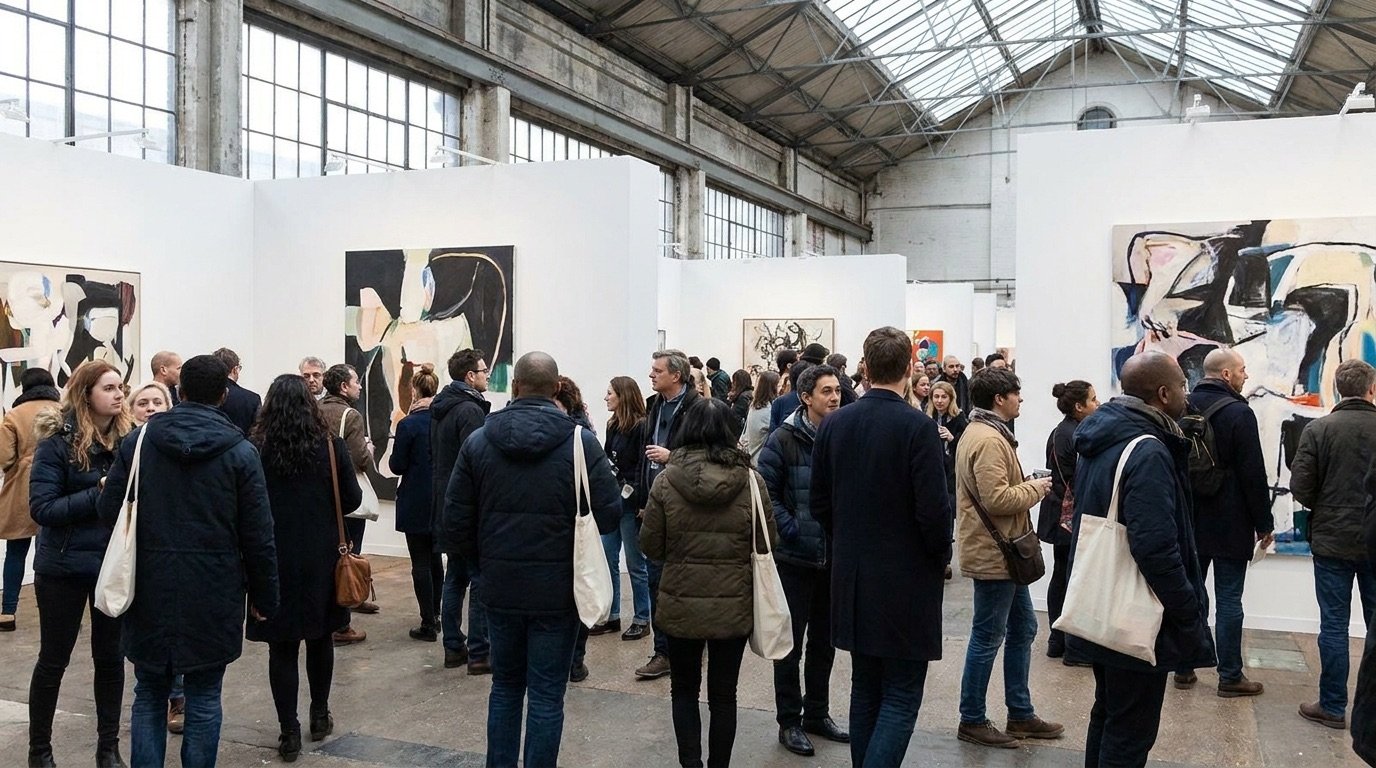
Art Basel returns to its Swiss home this week, gathering 290 galleries from 43 countries with VIP previews on 16 and 17 June ahead of public days running to 21 June. More than 20 newcomers join a fair sharpening its focus on connoisseurship and first encounters with major works.
A new initiative, Basel Exclusive, will see galleries unveil select marquee pieces for the first time at the VIP opening, an attempt to inject the urgency of discovery into a market that has spent two years on the back foot.
The fair arrives at a pivotal moment for the art trade, which is emerging cautiously from a downturn that tested galleries and auction houses alike. The mood in Basel's halls will be read as an early indicator of whether the tentative recovery charted in the latest market data can take firmer hold.
A market finding its feet
The fair coincides with the latest Art Basel and UBS Global Art Market Report, which struck a cautiously optimistic note. The global art market grew 4% year on year to an estimated $59.6bn after two difficult years, with art fair sales rising to their highest share of dealer turnover since 2022.
The return to growth, however modest, marks a welcome turn after a period in which high interest rates, geopolitical uncertainty and a softer top end weighed on sales. The recovery appears uneven, with strength in some segments offsetting continued caution at the highest price points, but the overall direction has steadied after two years of contraction.
The growing share of turnover generated at fairs is particularly notable. As dealers lean more heavily on these events to drive sales, fairs like Art Basel become ever more central to the functioning of the market, concentrating commercial activity into a handful of high-stakes weeks each year.
Gains for women artists
The report also charted continued gains for women artists, whose representation reached half of primary-market galleries, even as their share of sales by value lagged behind. Galleries are bringing works by names from Cecily Brown and George Condo to Keith Haring and Carrie Mae Weems.
The progress on representation reflects a broader, sustained effort across the art world to address historic imbalances in whose work is shown, collected and valued. That women artists now account for half of primary-market gallery rosters is a meaningful shift, even if the gap in sales value shows how much further the rebalancing has to run.
The disparity between representation and value points to the slow-moving nature of the secondary market and historical pricing, where established records and longstanding collector preferences take time to change. Closing that gap will be a measure of how durable the gains in representation prove over the coming years.
Why fairs matter more than ever
The increasing centrality of fairs to the art trade rests on several developments shaping the market:
- Art fair sales have climbed to their highest share of dealer turnover since 2022.
- Fairs concentrate buyers, press and collectors into intense, deal-driving windows.
- Initiatives like Basel Exclusive manufacture urgency around first-look marquee works.
- Galleries increasingly rely on fairs to reach international collectors in person.
- The atmosphere at major fairs serves as a real-time barometer of market confidence.
“The figures signal a cautiously optimistic turn for the art trade after two challenging years.”
— Art Basel and UBS Global Art Market Report 2026
Background
Art Basel is the most prestigious event in the international art-fair calendar, with its flagship Swiss edition setting the tone for the broader market each year. The annual Art Basel and UBS Global Art Market Report has become the most closely watched assessment of the trade, tracking sales, trends and shifts in collecting behaviour across the world's major markets.
The past two years tested the resilience of the art world, as macroeconomic headwinds and a cooling at the top end dampened activity. The 2026 report's finding of renewed, if modest, growth suggests the market has begun to stabilise, with fairs playing an outsized role in that recovery as dealers concentrate their efforts on the events where buyers gather.
What happens next
With dealers leaning ever more heavily on fairs to drive turnover, the mood in Basel's halls will serve as a barometer for whether the recovery has real momentum or remains fragile at the top end of the market. Strong sales at the VIP previews and across the public days would reinforce the report's cautious optimism, while a subdued showing would temper hopes of a sustained rebound. Either way, the results from Basel will shape expectations for the art trade through the remainder of 2026.
Referenced coverage: Our reporting and analysis draws on coverage first reported by Art Basel. The NE Times publishes original reporting and independent analysis written by our editorial team. We credit and link the outlets whose primary reporting informed this article.
The NE Times is an independent news and analysis publisher. Our articles combine factual reporting with clearly-written, impartial analysis. Content is for general information and does not constitute professional advice. Disclaimer.
You may also like to read
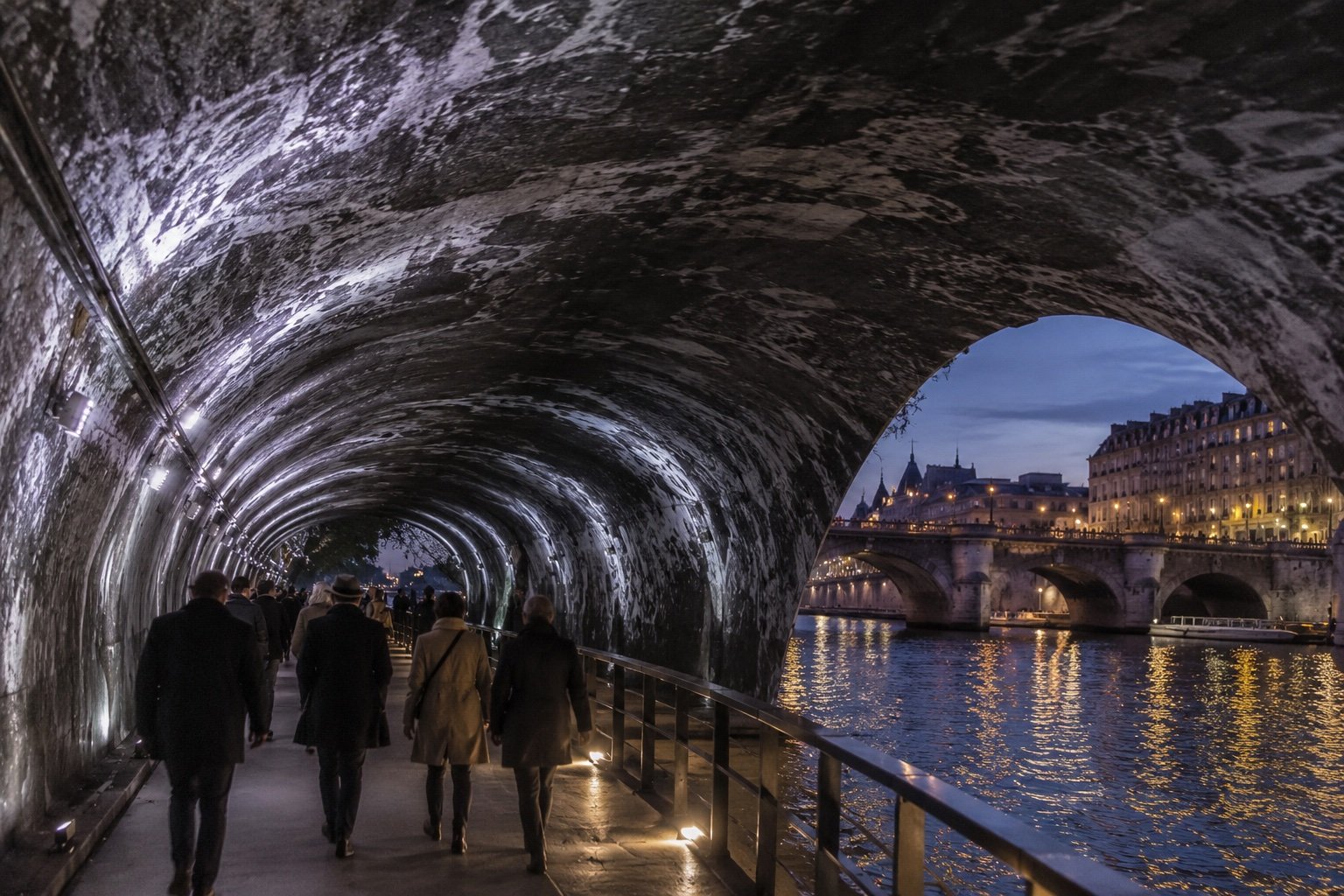
Pont Neuf Cavern turns a Paris bridge into a multisensory artwork
Artist JR has wrapped Paris's oldest standing bridge in a free, cave-like installation of sound, scent and printed rock, open above the Seine until 28 June.
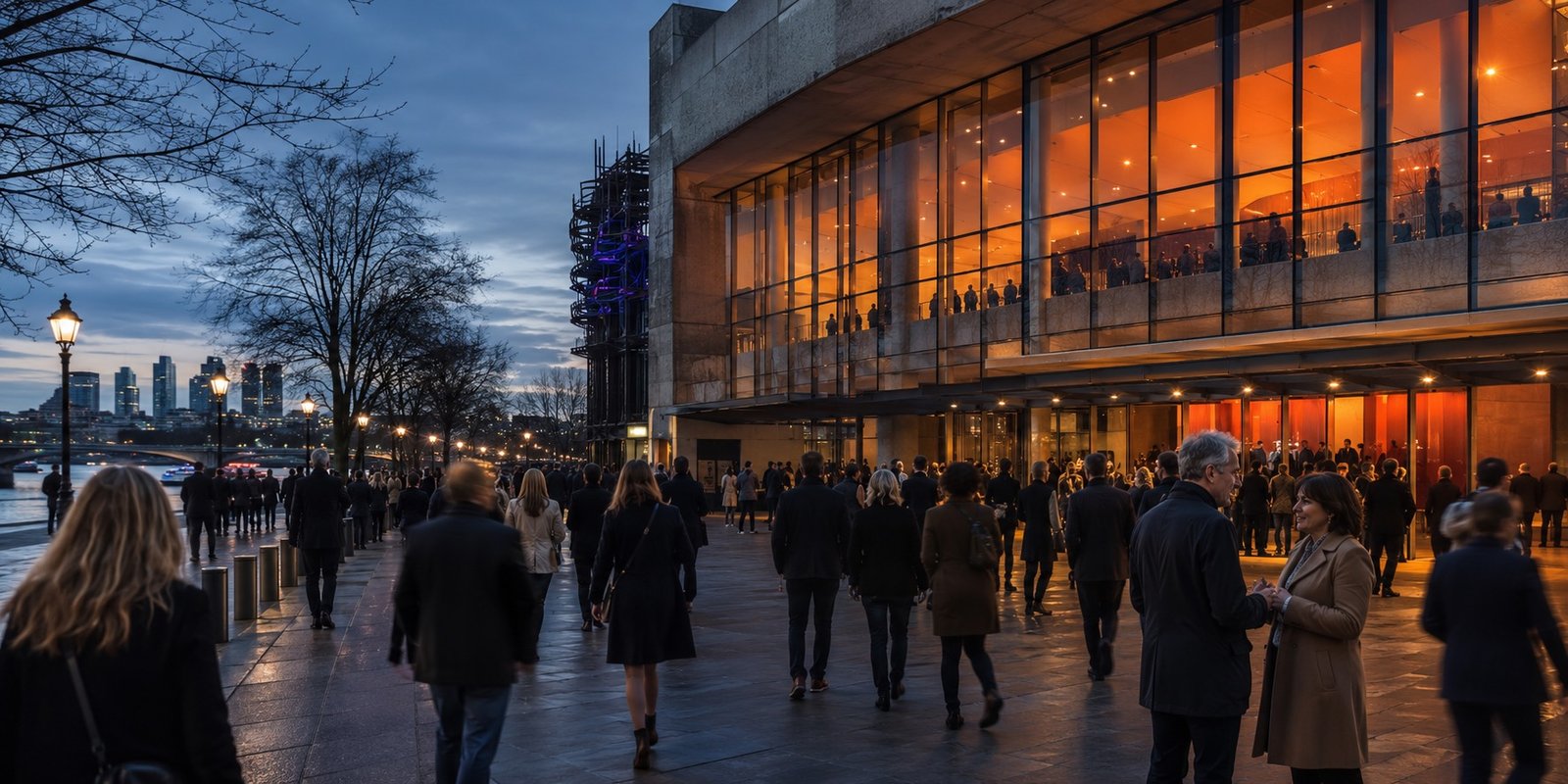
Misan Harriman to step down as Southbank Centre chair after free-speech row
The photographer and filmmaker says his autumn 2026 exit was decided in January, not driven by recent scrutiny of his social media posts.
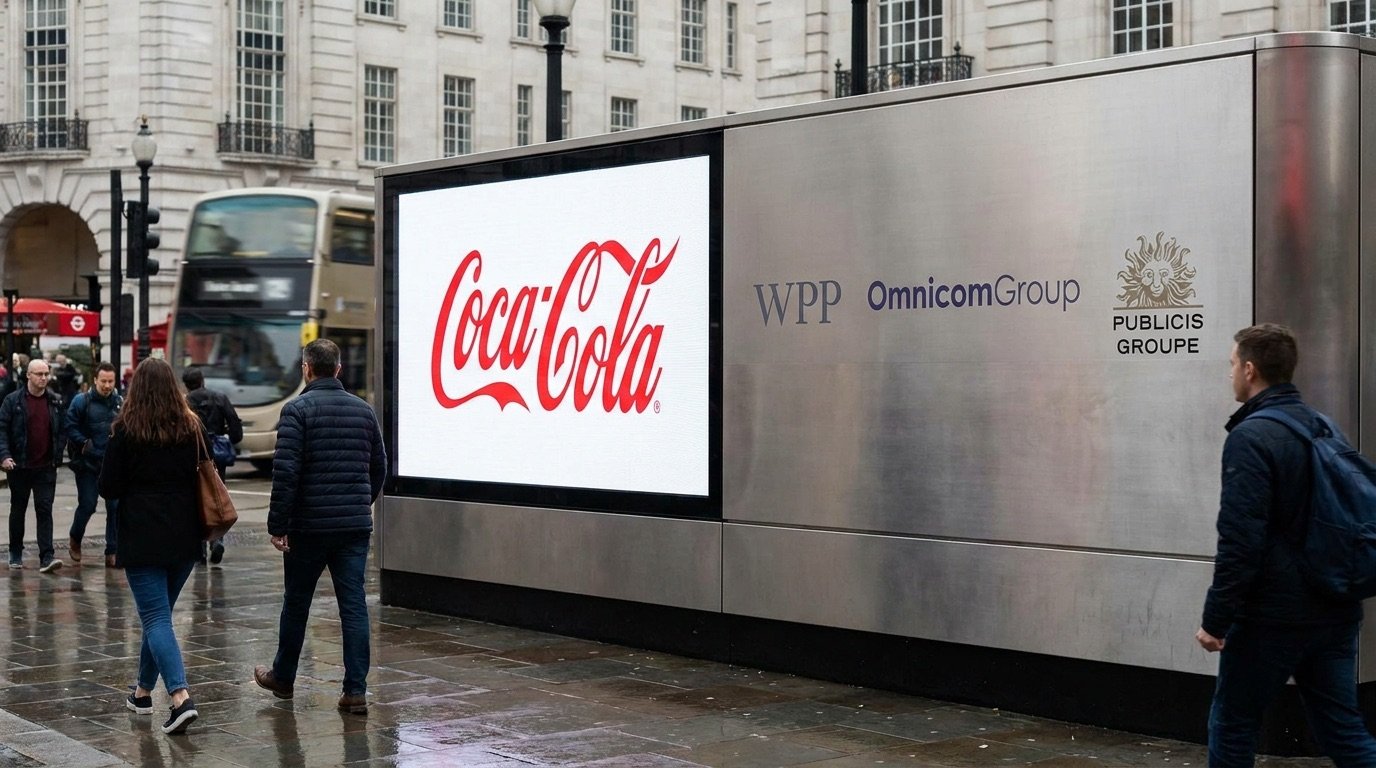
Coca-Cola puts $4bn global media account up for grabs in WPP-Publicis showdown
The drinks giant has launched a review of its roughly $4bn global media, technology and data business, pitting incumbent WPP against rival Publicis in a contest framed around AI-driven planning.

Neon chief Tom Quinn dismisses consolidation wave: 'I wouldn't survive a day'
Fresh from a seventh Palme d'Or win, Neon co-founder Tom Quinn used a Hollywood industry conference to warn that mega-mergers threaten competition and creativity.